 |
|
|
|
|||
|
|
Manu National Park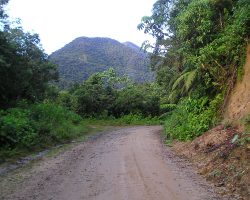 The Manu Road is famous in birding circles
Manu National Park, one of the biggest protected areas in the world, is home to the some of the greatest biodiversity and the greatest biomass in the world. The park boasts over 1,000 species of birds and 200 species of mammals. Including the biosphere reserve (Manu National Park, Reserved Zone, and Cultural Zone), Manu spans across a variety of habitats, from the Andean cloud forests to the humid lowland rainforests. Many magnificent creatures inhabit Manu's rich ecosystem, including Jaguars, Pumas, Spectacled Bears, Tapirs, Anacondas, and Harpy Eagles. A generous amount of butterflies and plants inhabit Manu's different bioregions. In 1973, the Peruvian government established Manu as a park protecting the great biodiversity living in it. In 1977, Manu National Park became a Biosphere Reserve. Then, in 1987, UNESCO declared Manu a World Natural Heritage Site. Protecting countless numbers of species of animals and plants, and a plethora of different habitats, Manu truly is "a living eden." Links
|